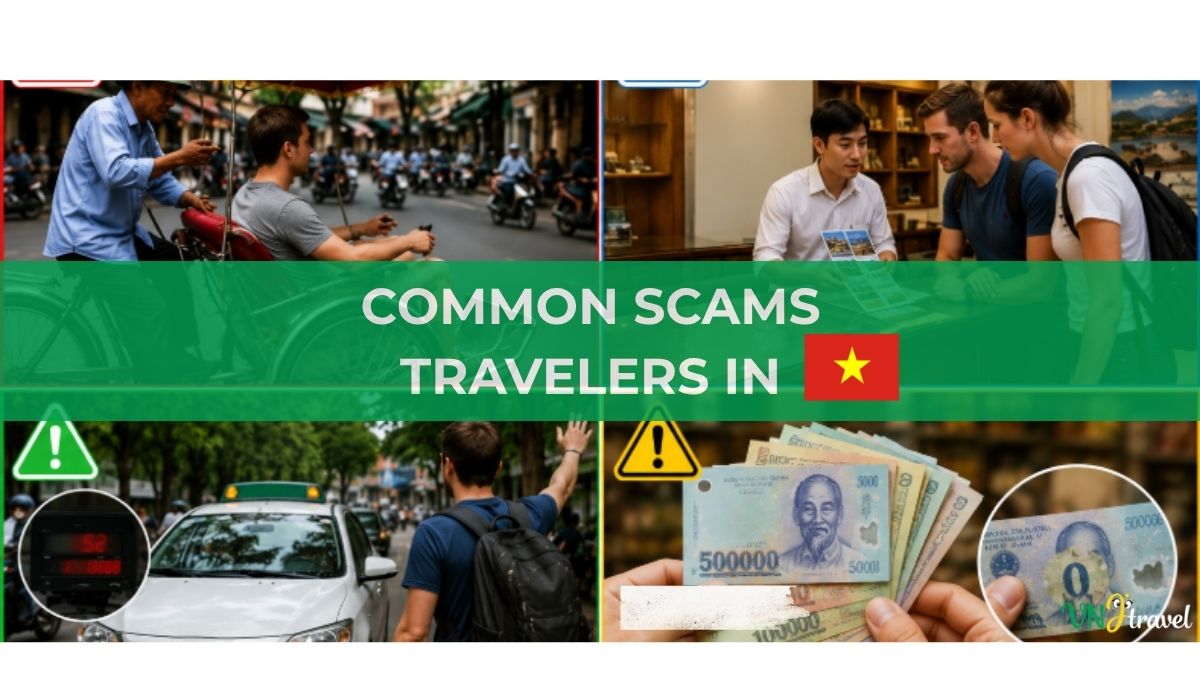
Vietnam travel scams are something every visitor should understand before exploring the country. While Vietnam is an incredible destination known for its rich culture, stunning landscapes, and delicious cuisine, a few dishonest individuals may target tourists. This guide explains the most common Vietnam travel scams and how to avoid them so you can enjoy a safe and worry-free trip.
Most common tourist scams in Vietnam
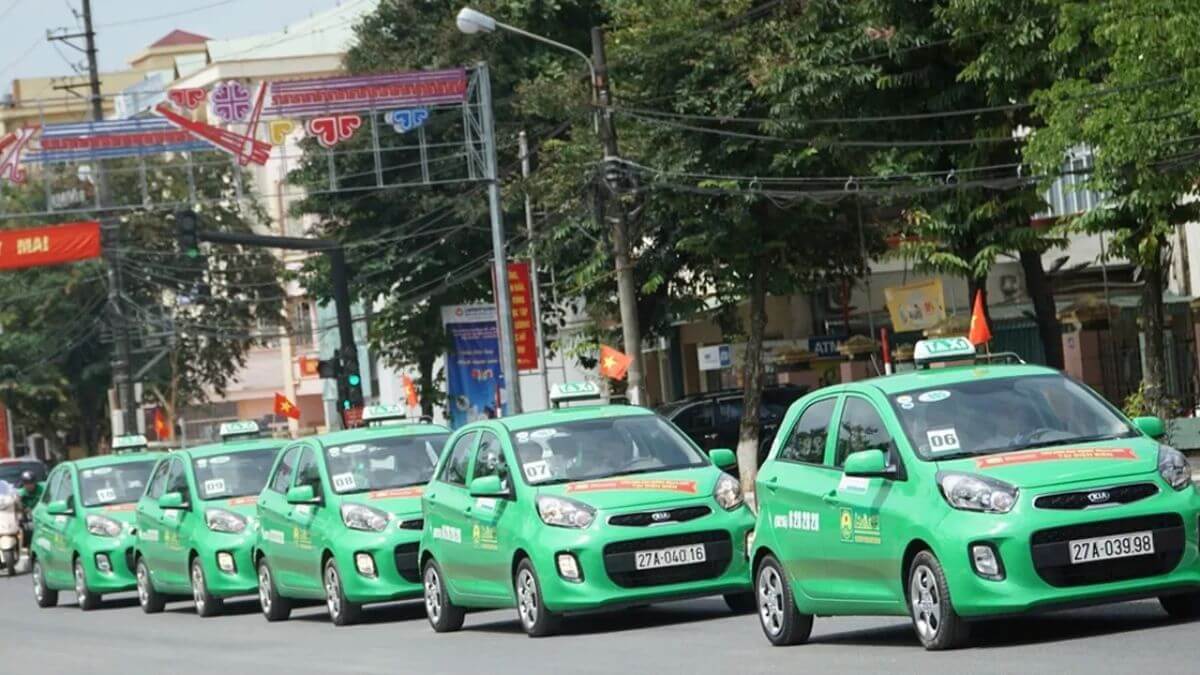
Fake taxis
Taxis are a convenient way to get around Vietnam, but fake taxis are a common scam targeting foreign travelers.
Some drivers use vehicles that imitate reputable brands, with similar logos or colors to confuse passengers. These taxis may have no meter or a manipulated one that increases fares quickly.
While you’ll still reach your destination, you may be charged an inflated price, and in some cases, drivers may refuse to let you leave until you pay or take you to isolated areas to pressure you for money or valuables.
How to avoid
- Choose trusted taxi companies only, such as Mai Linh, G7, VinaSun
- Use ride-hailing apps like Grab, Be, or Xanh SM for transparent pricing and driver tracking
- Check the license plate and ensure the taxi has a working meter
- Be cautious if someone approaches you first, offering a ride, especially at airports or tourist hotspots
Cyclos scammers
Cyclo scams are common in popular tourist areas across Vietnam, especially near landmarks and busy city centers. Some drivers may approach travelers with friendly offers for cheap sightseeing rides, only to demand extremely high payments later.
Many scammers appear convincing at first. They may show notebooks filled with positive reviews and messages from previous tourists to build trust. However, after the ride begins, hidden charges often appear unexpectedly.
Some drivers intentionally take longer routes, stop frequently, or leave passengers waiting to later charge expensive “waiting time” fees. Others may suddenly demand large tips or claim the agreed price was “per minute” instead of per trip.
Travelers have reported being quoted a small fare, such as 15,000 VND, then being asked to pay 500,000 VND or even over 1,000,000 VND at the end of the ride.
Cyclo scams are especially common around tourist hotspots like Ben Thanh Market, the Opera House, and other crowded attractions.
How to avoid
- Always agree clearly on the total price before getting on the cyclo
- Avoid drivers who refuse to confirm the fare in writing or clearly state hidden conditions
- Choose cyclo drivers with official uniforms or those operating under trusted local clubs or companies
- Be cautious if the price sounds unusually cheap
- The normal cyclo rate is usually around 150,000–200,000 VND per hour; significantly higher prices should be questioned
- Carry small cash and avoid showing large amounts of money

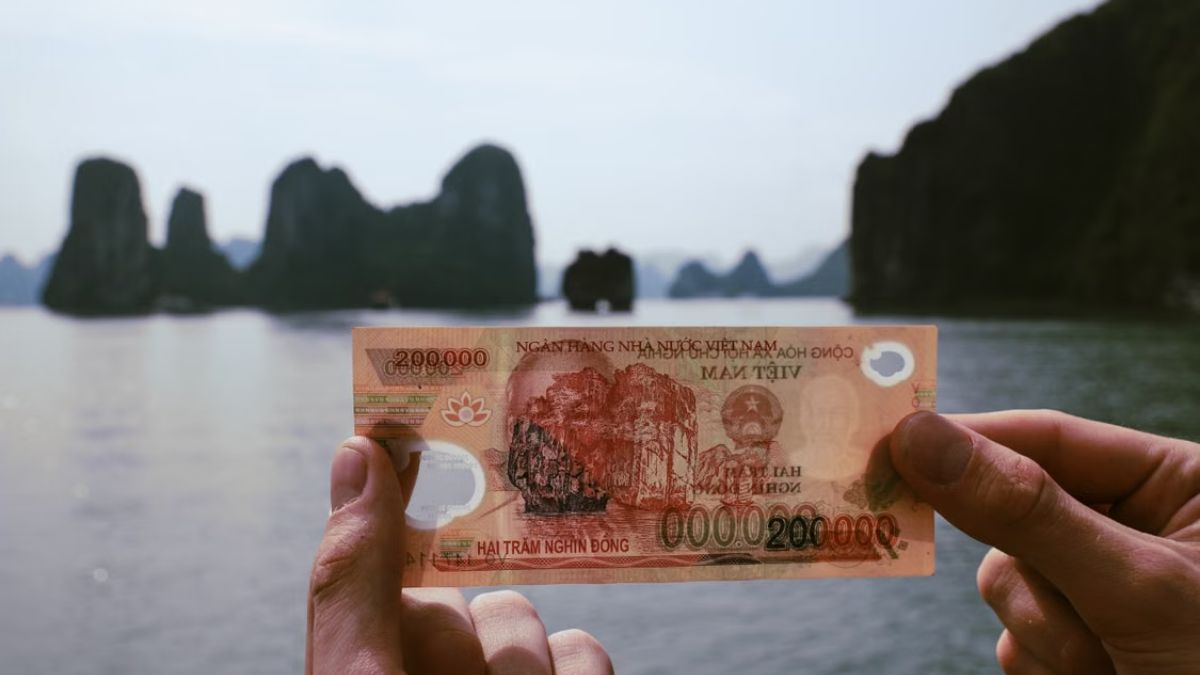
Currency exchange scam
Exchanging money is essential when traveling in Vietnam, but it’s also an area where scams can happen if you’re not careful.
Some unofficial exchange services may offer attractive rates, but then use tricks like miscounting cash, applying hidden fees, or giving counterfeit notes. In busy areas, scammers might rush the transaction to confuse you, hoping you won’t notice the difference.
Another trick to watch out for is the money-switching scam, where someone quickly swaps your high-value bill (like 500,000 VND) with a lower one (like 20,000 VND) and then accuses you of underpaying.
How to avoid
- Use trusted exchange services: Banks, airports, or licensed gold/jewelry shops
- Count your money carefully: Always double-check before leaving the counter
- Check exchange rates in advance: Use reliable sources to know the approximate value before paying or exchanging
Tour booking scam
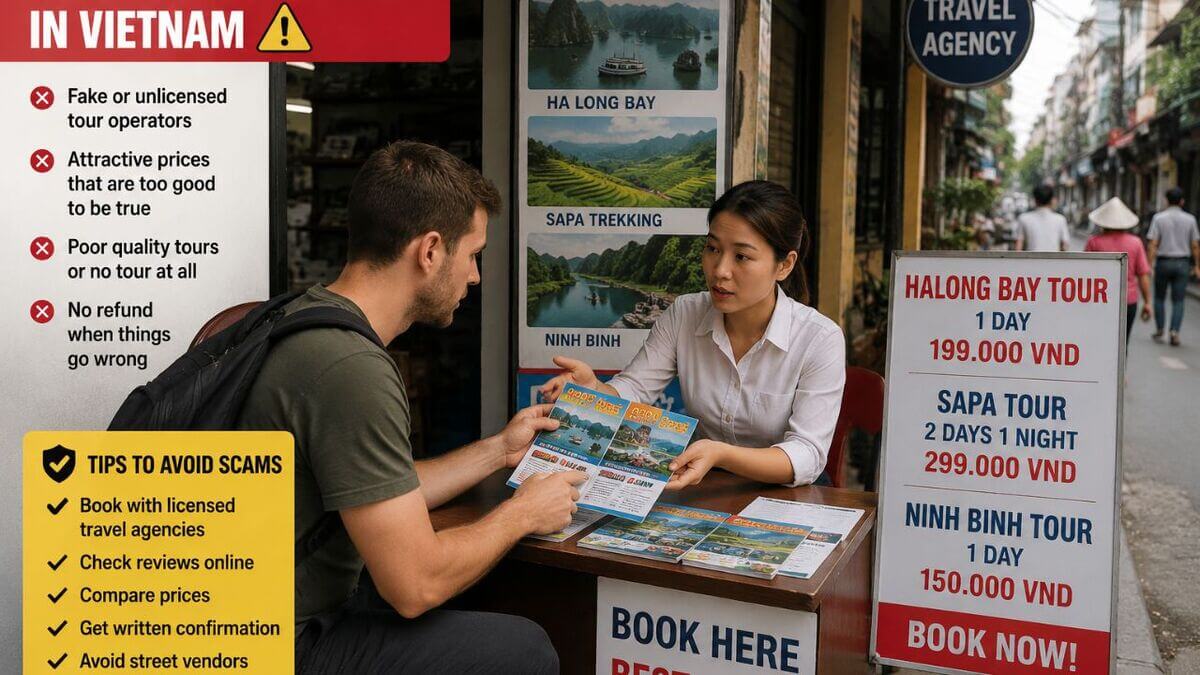
Tour booking scams are increasingly common in Vietnam, especially online. Scammers often lure travelers with unbelievably cheap tour packages advertised on social media or fake websites that mimic legitimate travel agencies.
At first, they respond quickly and build trust through friendly communication. However, once you make a payment, the “company” may disappear completely, leaving you with no booking, no refund, and no way to contact them.
In other cases, the tour does exist but turns out to be very different from what was promised, with hidden costs or poor-quality services.
How to avoid
- Verify the company carefully: Check official websites, contact details, and online presence
- Look for real customer reviews: Platforms like Tripadvisor or Trustpilot can help confirm credibility
- Avoid deals that seem too cheap: If the price is significantly lower than average, be cautious
- Avoid paying upfront via unsecured methods: Use trusted payment channels when possible
Hotel booking scam
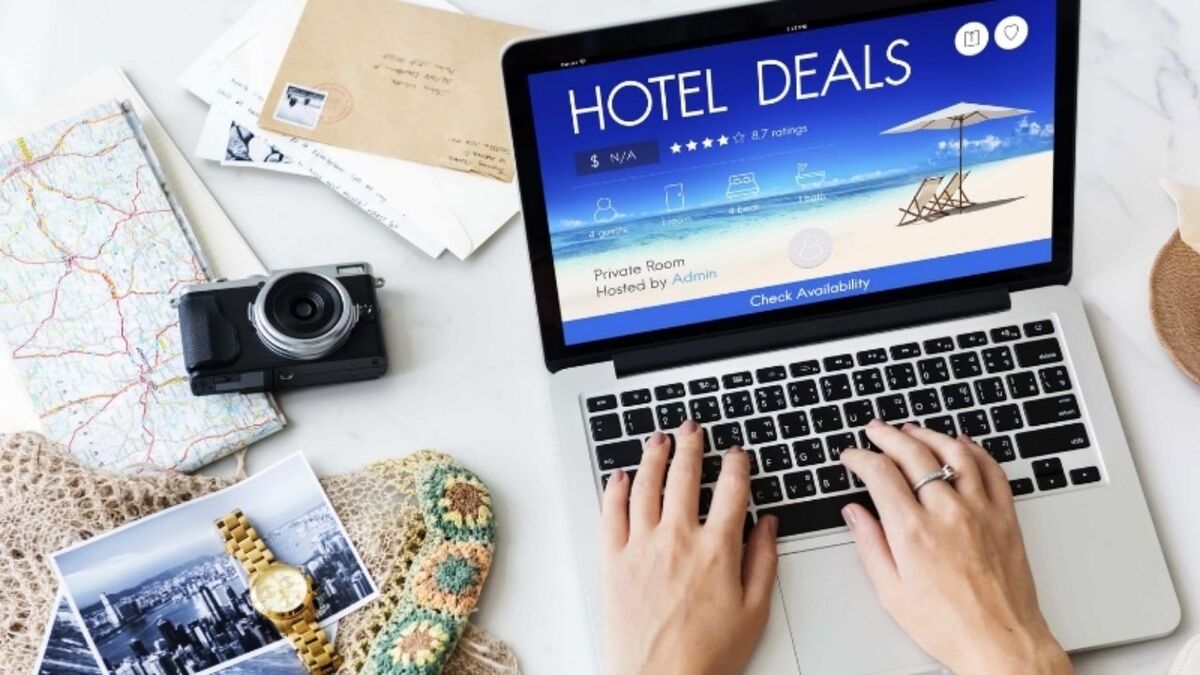
Hotel scams in Vietnam often start online, where listings look attractive with low prices, great photos, and high ratings. However, the reality may be very different once you arrive.
One common situation is the “room unavailable” trick. After check-in, you’re told your booked room is no longer available and are asked to pay extra for an upgrade. Some travelers also report being shown rooms that don’t match the photos, located in poorer conditions or less convenient areas.
In other cases, hotels may refuse refunds if the property doesn’t meet expectations, or add unexpected fees at checkout for services you didn’t use. These tactics rely on the fact that travelers often don’t have time or proof to dispute the charges.
How to avoid
- Use reputable booking platforms such as Booking.com or Tripadvisor or book through reliable travel agencies.
- Cross-check reviews: Look beyond ratings and read recent guest experiences
- Review everything before paying: Double-check your final bill to avoid unexpected charges
Street Vendor Price Inflation
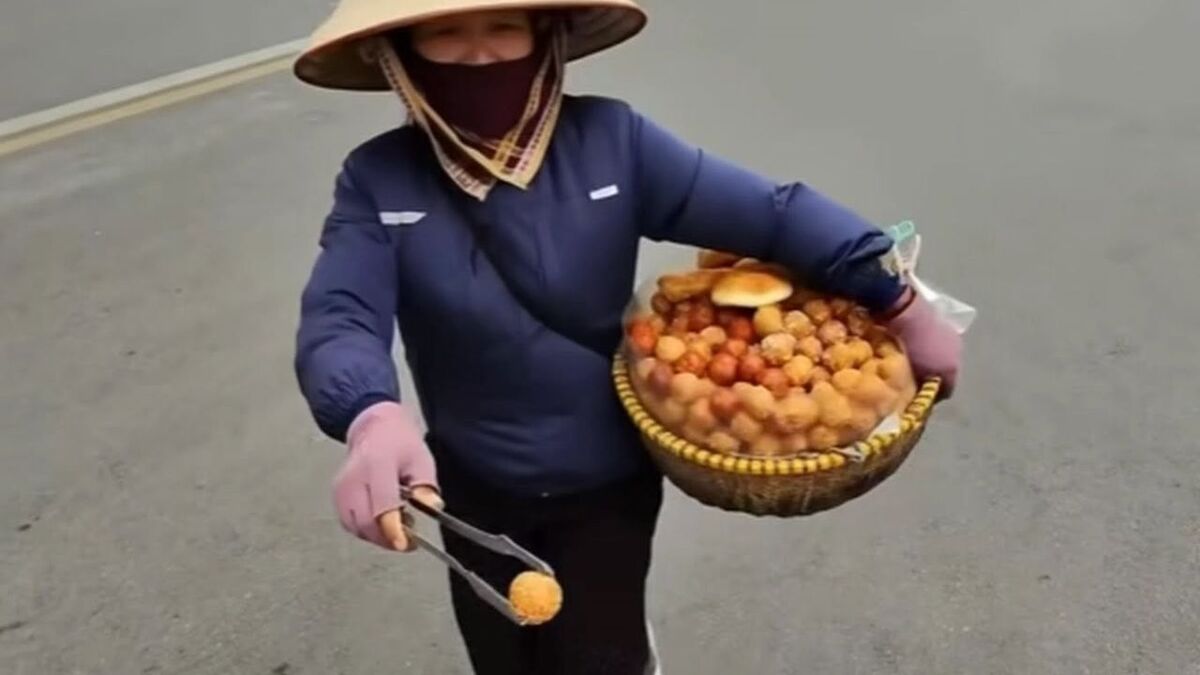
Street shopping is part of the charm of visiting Vietnam, but price inflation is a common issue many travelers face.
Some street vendors may quote significantly higher prices to foreign tourists, especially in places like Hanoi’s Old Quarter or Ben Thanh Market. Prices are often not displayed clearly, and once you’ve shown interest in an item, the vendor may start with a high price, expecting you to negotiate. In some cases, sellers may also change the price at the last minute or add extra costs unexpectedly.
How to avoid being overcharged
- Always ask the price first before buying anything
- Confirm the total price clearly (especially for weight-based items)
- Don’t hesitate to bargain if you feel the price is too high
- Be ready to walk away: Vendors may offer a better price if you hesitate or leave
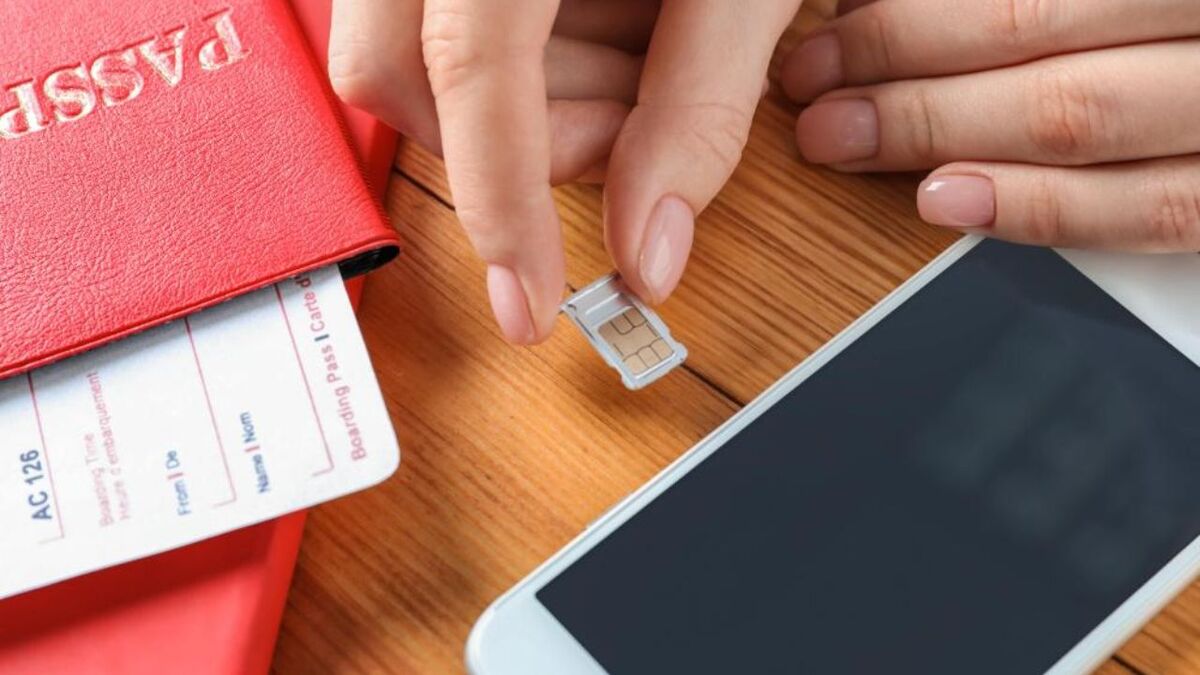
SIM Card scam
A common scam involves vendors selling SIM cards at inflated prices, especially to tourists. More importantly, the SIM may have been activated before being sold, meaning the validity period has already started. As a result, a “30-day data plan” might only last a few days or stop working unexpectedly.
How to avoid
- Buy from official providers: Visit stores of major telecom companies like Viettel, Vinaphone, or Mobifone
- Avoid unofficial vendors: Be cautious with small stalls offering “cheap” deals
- Consider using an eSIM: A convenient option for short trips with transparent pricing
Tips for Avoiding Getting Scammed in Vietnam
While scams can happen anywhere, a few simple precautions can help you travel around Vietnam with confidence and peace of mind.
Do your research in advance
Before booking tours, hotels, or services, take time to check reviews, compare prices, and verify information. Platforms like Tripadvisor or Trustpilot can give you a clearer picture of what to expect.
Stick to trusted providers
Whenever possible, choose official companies, well-known brands, or recommendations from your hotel. This applies to taxis, tours, accommodation, and even SIM cards.
Be cautious of “too good to be true” deals
If a price seems unusually cheap, it often comes with hidden costs or risks. Always double-check what’s included before making any payment.
Keep track of your money
Familiarize yourself with Vietnamese currency and count your cash carefully during transactions. Using smaller bills can help avoid confusion or note-switching tricks.
Avoid rushed decisions
Scammers often create a sense of urgency. Take your time, ask questions, and don’t feel pressured to accept an offer immediately.
Use digital tools when possible
Ride-hailing apps like Grab or cashless payments can help you avoid price disputes and increase transparency.
What To Do If You Are Scammed?
Getting scammed while traveling in Vietnam can be frustrating, but knowing how to respond can help you stay in control and reduce potential losses.
Stay calm
It’s normal to feel upset, but staying calm will help you assess the situation and avoid making things worse.
Assess the damage
Figure out exactly what happened and what you’ve lost, whether it’s money, belongings, or personal information.
Gather evidence
If possible, collect any receipts, photos, messages, or contact details related to the incident. This can be useful for reporting or insurance claims.
Try to resolve (if safe)
For minor issues, you may attempt to negotiate a solution. However, always prioritize your safety and avoid confrontation in risky situations.
Report the incident
For more serious cases, report it to the local police. While recovery isn’t guaranteed, having an official report is important for documentation and insurance.
Contact your embassy
If the situation is serious (e.g., large financial loss or lost passport), reach out to your country’s embassy or consulate for guidance and support.
Share your experience
Consider sharing your story on platforms like Tripadvisor or Trustpilot to help warn other travelers, just make sure to stick to factual information.
Why choose Viet Impression for your Vietnam travel?
Planning a trip to Vietnam can be overwhelming, but with Viet Impression, you’ll have a reliable partner every step of the way.
Transparent pricing – no hidden fees
All services are clearly explained upfront, so you don’t have to worry about unexpected costs or last-minute surprises.
Wide range of services
From Vietnam visa support (eVisa, Visa on Arrival) to airport pick-up, private cars, and curated tours, everything is designed to make your journey seamless.
Fast & responsive support
Our team is always ready to assist you before, during, and after your trip, ensuring quick responses and reliable guidance whenever you need it.
Safe, convenient & hassle-free
Whether it’s booking a tour, arranging transport, or handling visa procedures, Viet Impression helps you avoid common scams and travel with confidence.
Traveling in Vietnam is an incredible experience, but like any popular destination, it’s important to stay aware of common scams. With a bit of preparation and the right choices, you can easily avoid these situations and enjoy your trip to the fullest.
Looking for a safe, hassle-free journey? Let Viet Impression take care of your visa, transport, and tours, so you can explore Vietnam with confidence.
📞 +84.862.897.858 (Whatsapp/Viber/WeChat)