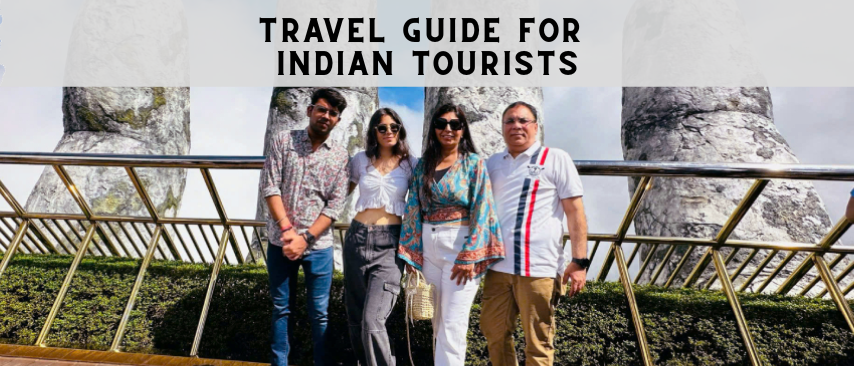
How do you plan a trip from India to Vietnam without missing anything important? This beginner-friendly guide has you covered. From visa requirements and transportation tips to must-visit destinations, here’s everything you need to plan a smooth and memorable Vietnam journey.
How to get a Vietnam visa from India?
No matter how you travel to Vietnam, Indian passport holders must obtain a valid visa before entering the country. There are three ways to obtain a Vietnam visa:
Vietnam E-visa (Most common option)
Indian travelers can easily apply for a Vietnam e-visa online, allowing stays of up to 90 days with both single and multiple entry options.
The process is simple and typically takes 3–5 working days for approval. You can apply directly via the official Vietnamese immigration portal or choose a trusted visa service provider for guided support and a smoother application experience (with an additional service fee).
Vietnam visa on arrival
Unlike Vietnam evisa, Vietnam visa on arrival is only valid for 1 month, for both single-entry and multiple-entry options. However, it will be suitable for those who want to collect Vietnam visa stickers as a travel memory.
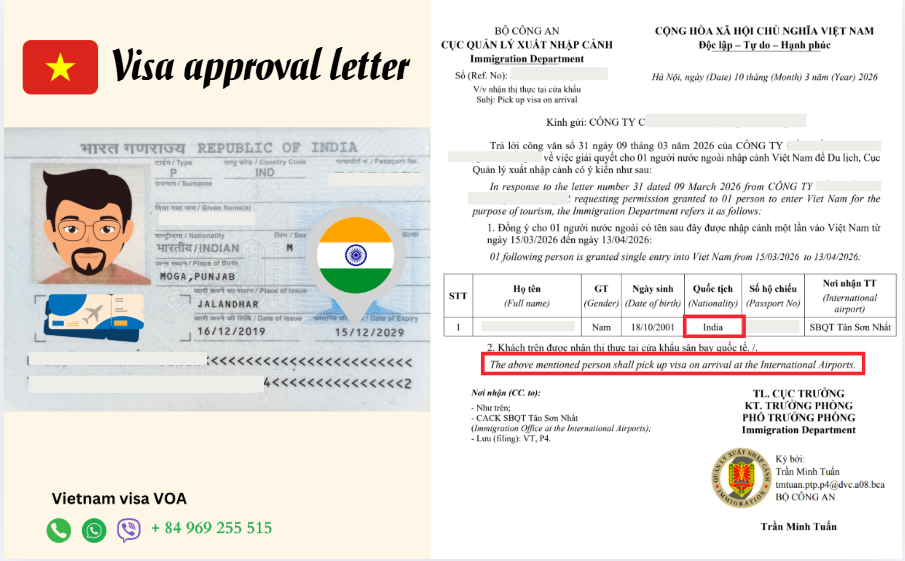
Indian travelers must first obtain a visa approval letter from a licensed visa or travel agency before their trip. This document allows you to board your flight and later collect the visa stamp upon arrival in Vietnam.
Vietnam visa at the Embassy or Consulate General of Vietnam in India
This is the traditional visa application method. You’ll need to submit your passport along with the required documents to the embassy or consulate and wait for processing. The processing time typically takes up to 7 working days.
In case you need to assist with a Vietnam evisa or visa on arrival, don’t hesitate to apply through our website Vietnamvisavoa.com for a smooth procedure.
Best Time to Visit Vietnam for Indian Tourists
Pro tip for Indian travelers:
October-March is usually the best overall travel period, especially for holidays, honeymoons, or family trips.
Here’s a quick breakdown by region:
- North Vietnam (Hanoi, Ha Long Bay, Sapa): Best from October to April, with cooler, drier weather, ideal for sightseeing and outdoor activities.
- Central Vietnam (Da Nang, Hoi An): Great between February and August, especially if you’re planning a beach getaway.
- South Vietnam (Ho Chi Minh City, Mekong Delta, Phu Quoc): Warm year-round, but December to April offers the most comfortable conditions with less rain.
If you’re looking for a well-balanced trip covering multiple regions, planning your visit between October and April will give you the best overall experience.
How to Reach Vietnam from India
The easiest and fastest way to travel from India to Vietnam is by air. With increasing flight connectivity, Indian travelers can now choose from both direct and connecting flights at competitive prices year-round.
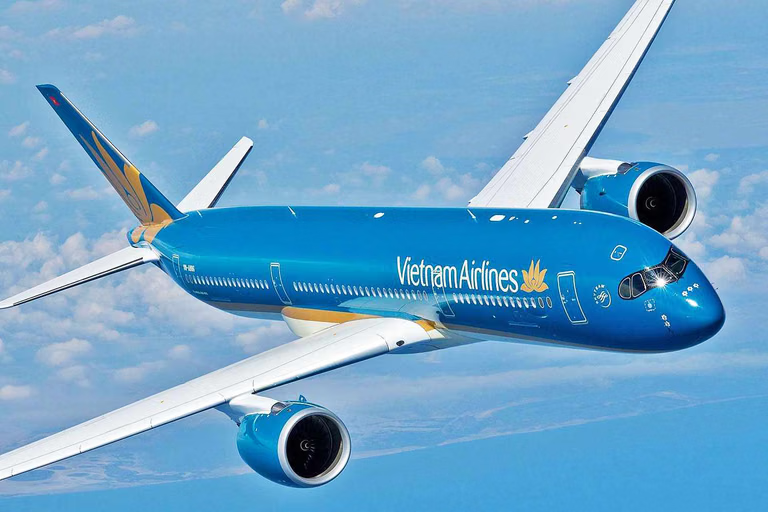
Direct flights from India to Vietnam
Yes, direct flights are available from major Indian cities such as New Delhi, Mumbai, Kolkata, Ahmedabad, Bangalore, and Hyderabad to key destinations like Hanoi, Ho Chi Minh City, and Phu Quoc.
Airlines operating these routes include VietJet Air, Vietnam Airlines, IndiGo, and Air India.
Connecting flights (alternative options)
If direct flights are not available or suitable, you can opt for connecting routes via major transit hubs such as Bangkok, Singapore, Kuala Lumpur, Doha, or Dubai. These routes offer flexible schedules and often competitive fares.
For a complete breakdown of routes, airlines, ticket prices, and expert booking tips, read our full guide here: India to Vietnam flights: Guide for first-time travelers.
Suggested Vietnam Itinerary for First-Time Indian Travelers
Planning your Vietnam itinerary depends on how many days you have and what kind of experience you’re looking for. Below are recommended travel plans for 4-10 days, designed to help first-time Indian travelers explore Vietnam efficiently.
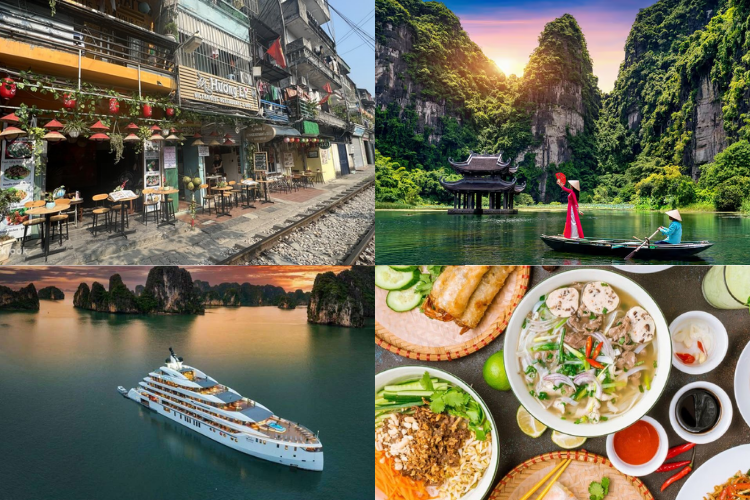
4-5 Day Vietnam Itinerary (Short Trip)
Perfect for a quick getaway focused on North Vietnam highlights.
- Day 1: Explore Hanoi Old Quarter, street food, and local culture
- Day 2: Day trip to Ninh Binh (Trang An/Tam Coc, Mua Cave, Bai Dinh temple Hoa Lu)
- Day 3-4: Overnight cruise in Ha Long Bay (UNESCO World Heritage Site)
- Day 5: Shopping and food tour in Hanoi before departure
Best for: First-time visitors with limited time who want a mix of culture and nature.
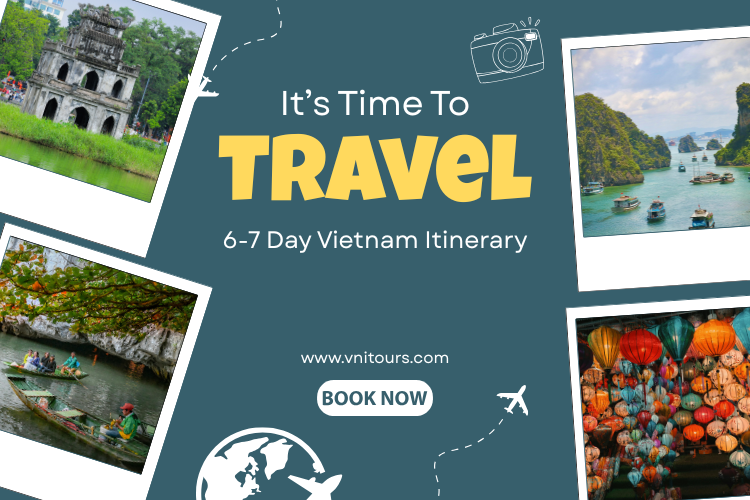
6-7 Day Vietnam Itinerary (Balanced Trip)
A well-rounded itinerary covering North and Central Vietnam.
- Day 1: Explore Hanoi (Old Quarter, Hoan Kiem Lake, local cuisine)
- Day 2: Visit Ninh Binh
- Day 3: Ha Long Bay cruise (day trip or overnight)
- Day 4-7: Fly to Da Nang – explore Da Nang and Hoi An (beaches, lantern town, cafes)
Best for: Travelers who want both cultural experiences and beach relaxation.
9-10 Day Vietnam Itinerary (In-Depth Experience)
Ideal for travelers who want to explore Vietnam more thoroughly.
Option 1: Slow Travel (2 Regions)
Spend around 5 days in each region for a more relaxed pace:
- North + Central or Central + South
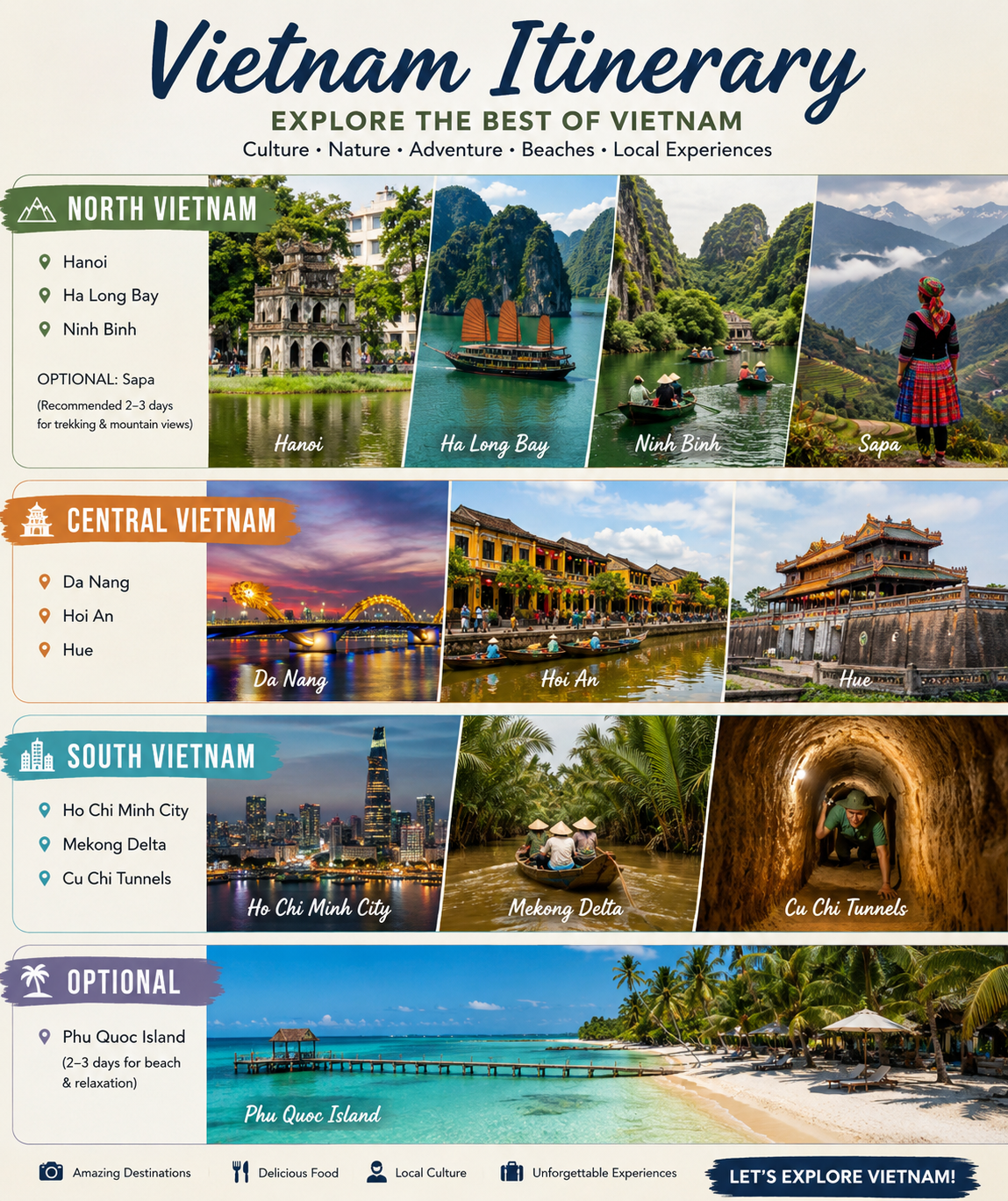
Option 2: Explore All 3 Regions (Most Popular)
- North Vietnam: Hanoi, Ha Long Bay, Ninh Binh
- Optional: Extend to Sapa (recommended 2-3 days for trekking and mountain views)
- Central Vietnam: Da Nang, Hoi An, Hue
- South Vietnam: Ho Chi Minh City, Mekong Delta, Cu Chi Tunnels
- Optional: Phu Quoc Island (2-3 days for beach)
Best for: First-time visitors who want a complete Vietnam experience from north to south.
Food choice in Vietnam for Indians
For many visitors, exploring food is a key part of the travel experience. If you’re following a Vietnam travel guide for Indian travelers, discovering local cuisine – while still having access to Indian and vegetarian options – can make your trip even more enjoyable.
Must-Try Vietnamese Dishes
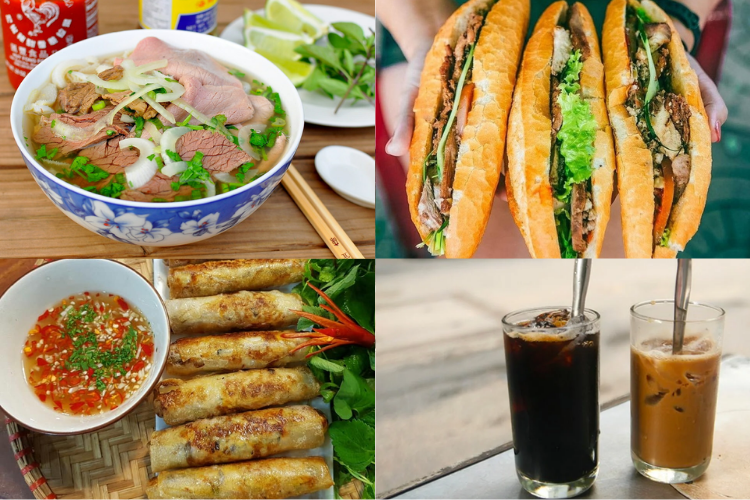
Vietnamese cuisine is a standout part of any journey, known for its fresh ingredients, balanced taste, and vibrant flavors. Here are some must-try dishes you shouldn’t miss:
- Pho – Vietnam’s most famous noodle soup, known for its rich, aromatic broth. Available with beef, chicken, or vegetarian options.
- Banh Mi – A crispy Vietnamese sandwich filled with fresh vegetables, herbs, and various fillings. Vegetarian versions with tofu or mushrooms are widely available.
- Fresh Spring Rolls – Light and healthy rice paper rolls with herbs, vegetables, and sometimes tofu or shrimp.
- Vietnamese Coffee – Strong and bold, typically served with condensed milk, perfect for coffee lovers.
Vegetarian & Indian-Friendly Food in Vietnam
Vegetarian food is easier to find in Vietnam than many Indian travelers expect. Look for the word “chay”, which means vegetarian, these restaurants often serve plant-based dishes inspired by Buddhist cuisine.
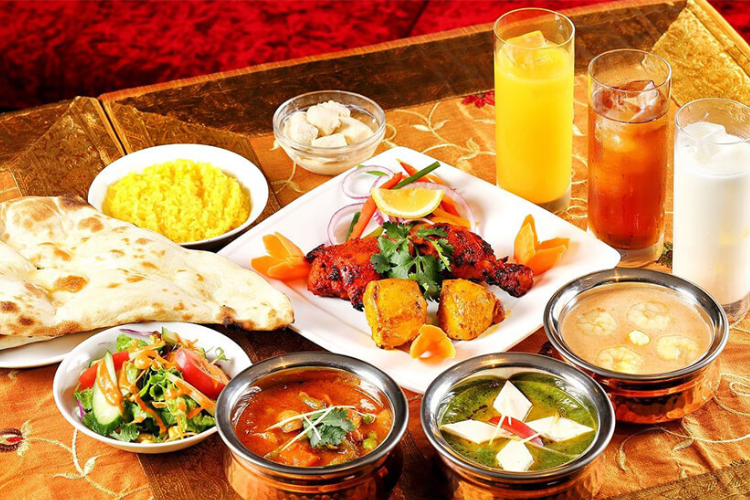
In major cities such as Hanoi, Da Nang, Nha Trang, Phu Quoc, and Ho Chi Minh City, you’ll also find a wide range of Indian restaurants offering familiar dishes like curry, naan, and biryani. Many of these places cater specifically to Indian tourists, with vegetarian, vegan, and even Jain-friendly options.
Tips for Indian Travelers When Dining in Vietnam
To make your food experience smoother, keep these practical tips in mind:
- Look for “Quán chay” (vegetarian restaurants): These are common and offer fully vegetarian menus
- Ask about ingredients: Some dishes may contain fish sauce, even if they appear vegetarian
- Choose Indian restaurants when needed: Widely available in tourist areas with authentic flavors
- Inform your tour operator in advance: They can arrange suitable meals if you have dietary restrictions
How to Get Around Vietnam: A Transport Guide
Traveling around Vietnam is easier and more affordable than many first-time visitors expect, with plenty of options for both long-distance journeys and city travel.
Long-Distance Travel:
- Domestic flights: The fastest way to travel between major cities. Vietnam has a strong domestic network with budget-friendly airlines like VietJet Air and Bamboo Airways.
- Overnight trains: A popular and scenic option, especially along the “Reunification Express” route. It’s a great way to save time and accommodation costs.
- Sleeper buses: Widely used by budget travelers. While not the most comfortable, they are an economical way to travel overnight between destinations.
Getting Around Cities:
- Grab: Similar to Uber, this app lets you book car or motorbike rides with fixed pricing, making it one of the safest and most convenient options.
- Taxis: Reliable companies such as Mai Linh (green) and Vinasun (white) are commonly used. Always make sure the meter is running.
- Motorbike rental: A popular choice for experienced riders, but not recommended for beginners due to heavy traffic conditions. Also, check your travel insurance coverage before renting.
Vietnam Travel Budget for Indian Tourists
Vietnam is known as a budget-friendly destination, making it ideal for Indian travelers across different travel styles, from backpacking to luxury holidays. Your daily expenses will vary depending on accommodation, activities, and travel preferences.
Estimated Daily Travel Cost
- Budget travel: ~$50/day
- Mid-range travel: ~$100/day
- Luxury travel: ~$150+/day
These estimates typically cover accommodation, meals, local transportation, and basic sightseeing.
Typical Travel Expenses in Vietnam
Here’s a breakdown of what your daily budget usually includes:
- Hotels & Accommodation:
Budget hotels and hostels are very affordable, while mid-range and luxury hotels offer excellent value compared to many other destinations. - Food & Dining:
Street food and local restaurants are inexpensive, while international or Indian restaurants may cost slightly more. - Tours & Activities:
Popular experiences like Ha Long Bay cruises, Ninh Binh boat trips, or Mekong Delta tours are reasonably priced and worth including in your itinerary. - Transportation:
Domestic flights, trains, sleeper buses, and ride-hailing apps make it easy to travel around Vietnam without overspending.
Money-Saving Tips for Indian Travelers
- Travel during off-peak seasons for better prices
- Book flights and hotels in advance
- Use ride-hailing apps instead of traditional taxis
- Combine destinations smartly to reduce transport costs
For a complete breakdown of costs, travel tips, and planning advice, read our full guide here: Vietnam travel guide for first-time travelers.
Frequently Asked Questions
What documents do Indian travelers need for a Vietnam visa?
Indian travelers need a valid passport (with at least 6 months’ validity beyond the return date), a passport-sized photo (4×6 cm, white background), a confirmed accommodation address in Vietnam, and a valid international card to pay for the Vietnam visa fee.
Is Vietnam safe for Indian tourists?
Yes – Vietnam is considered one of the safer destinations in Southeast Asia for Indian visitors. Serious crime is rare, especially in tourist areas. However, minor issues like bag snatching or street scams can occur, so it’s best to stay alert, use ride-hailing apps like Grab, and keep your belongings secure.
How much cash should I carry in Vietnam?
It’s recommended to withdraw around ₹8,000–₹12,000 worth of Vietnamese Dong upon arrival to cover initial expenses like transport and meals. For daily spending, budget approximately ₹1,200–₹1,800 in cash. While cards are accepted at hotels and restaurants, cash is still essential for markets and street vendors.
Is VietJet cheaper than Vietnam Airlines for Indian travelers?
Not necessarily. While VietJet often has lower base fares, it usually doesn’t include checked baggage. Adding baggage can increase the total cost significantly. In contrast, Vietnam Airlines typically includes a 23 kg allowance, so it’s important to compare the total price rather than just the base fare.
What is the best time to visit Vietnam from India?
The ideal time to visit Vietnam is from October to March, when the weather is generally more pleasant across the country. This period works well for travelers planning to explore multiple regions, including the north, central, and south.
How many days are enough for a Vietnam trip from India?
A 7-day trip is the minimum to cover key destinations like Hanoi, Ha Long Bay, Hoi An, and Ho Chi Minh City. Within 10 days, you can travel at a more relaxed pace and include places like Ninh Binh or the Mekong Delta. A 14-day itinerary allows for a more in-depth journey across the entire country.
————————–
We hope this Vietnam travel guide for Indian travelers helps you plan a seamless and memorable trip. If you need local insights or assistance in arranging your itinerary, feel free to get in touch – we’re here to help you experience Vietnam most authentically.
Hotline: +84.862.897.858 (Whatsapp/Viber/WeChat)
Email: support@vietimpressiontravel.com