

If you are planning a trip to Vietnam and wondering whether you should tip, this article may be helpful. Like many other countries around the world, it is customary to leave a tip at the end of the trip or after eating a meal at a restaurant in Vietnam.
Here’s everything travelers should know about tipping culture in Vietnam
Is tipping expected in Vietnam?
Nowadays, tourism growth and international visitors have made tipping more common in recent years, especially in major cities and tourist destinations like Hanoi, Ho Chi Minh City, Da Nang, and Hoi An.
In general:
- Tipping is appreciated for good service
- Common in tourism-related industries
- Usually optional rather than expected
- Small tips can make a meaningful difference
Locals typically do not tip in everyday situations, but foreign travelers often do as a gesture of appreciation.
Tipping culture in Vietnam
In restaurants & cafés
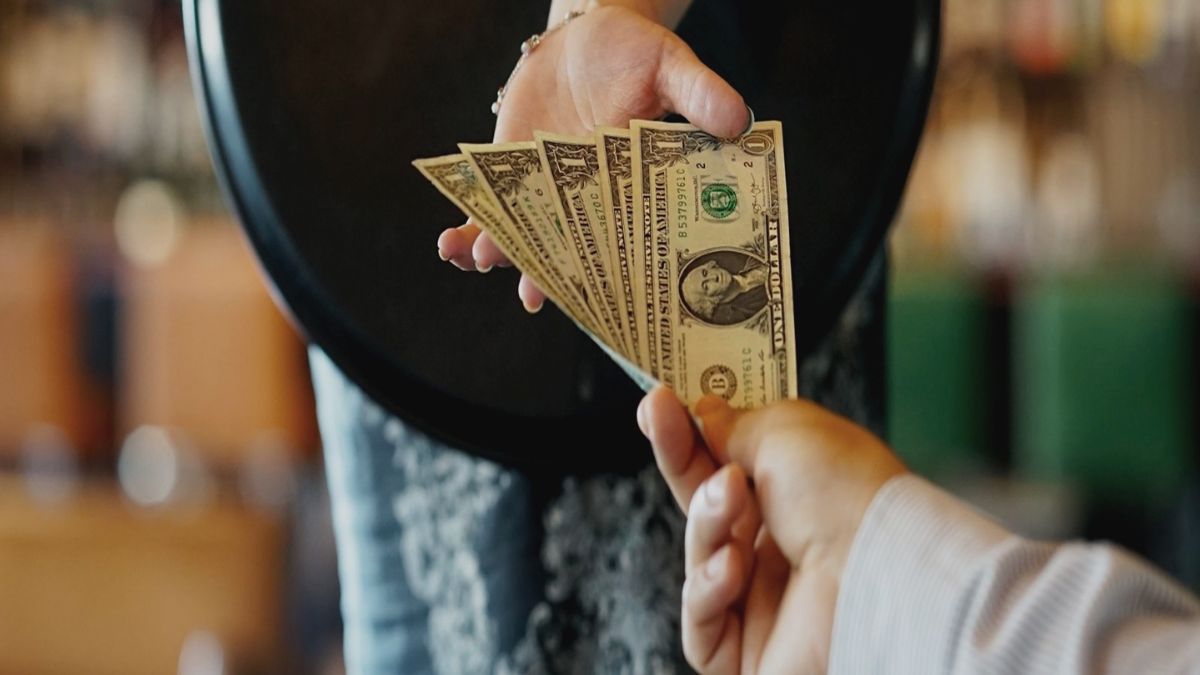
Most local restaurants and street food stalls do not expect tips. However, in luxury restaurants, international cafés, or fine dining venues, leaving a small tip is becoming more common.
Recommended:
- Small local restaurants: Not necessary
- Mid-range restaurants: Round up the bill or leave 5–10%
- Fine dining restaurants: 5–10% if service charge is not included
Always check the bill first, as some restaurants already include a service charge.
In hotels
Tipping hotel staff is appreciated, especially in higher-end hotels and resorts.
Who should you tip during your trip?
- Bellboy/porter: 20,000–50,000 VND per bag
- Housekeeping: 20,000–100,000 VND per day
- Concierge: Depending on the level of assistance
Luxury hotels serving international guests who are more accustomed to tipping culture.

Tours & transportation
Tour guides and drivers often rely on tips as part of their income, especially in the tourism industry.
Suggested tips:
- Tour guides and driver: 5$ per person/day for group tour, 10$ – 15$ per person/day for private tour
For group tours, tipping is optional or not compulsory. In the case of private tours, tipping is expected.

In spas & massages
Tipping is quite common in spas and massage centers throughout Vietnam.
Recommended:
5 -15% of the bill or 5$ – 10$ for good service
Some spas automatically add a service fee, so double-check before tipping extra.

In markets & other situations
Traditional markets generally do not require tipping. Bargaining is often part of the shopping culture instead.
General Tipping Etiquette in Vietnam
Currency
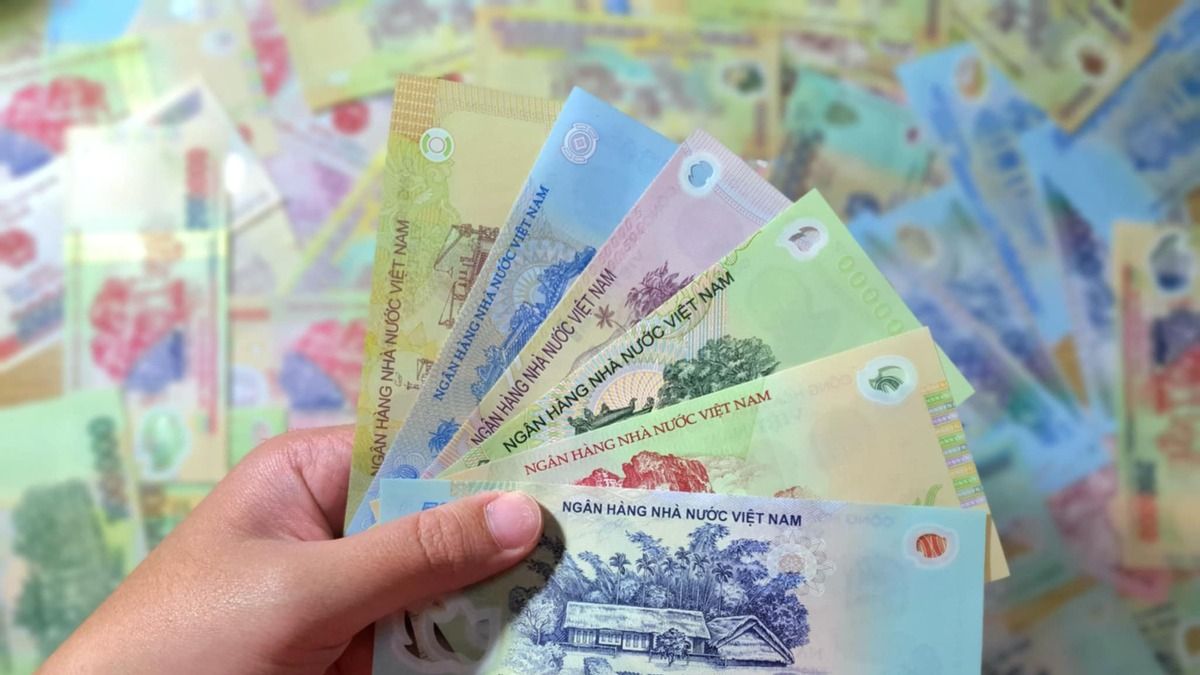
Tips should ideally be given in Vietnam Dong (VND) to avoid inconvenience and unnecessary currency exchange for local service staff.
Presentation
Vietnamese people value politeness and modesty.
Best practices:
- Hand the tip directly and respectfully
- Smile and say thank you
What to avoid when giving tips
Tipping too much
Over-tipping can sometimes create awkwardness or unrealistic expectations. In some local places, staff may feel uncomfortable receiving a very large tip, especially in front of others
A modest, thoughtful tip is more culturally appropriate than an excessive one.
Tipping in crowded places
Giving tips openly in crowded areas may attract unwanted attention or make staff uncomfortable.
Try to tip discreetly whenever possible.
Tipping before the service is finished
It’s generally better to tip after the service has been completed.
Tipping beforehand is uncommon and may feel unusual in Vietnam.
Forgetting to check the service charge
Many hotels, restaurants, and spas already include:
- 5% service charge
- 10% VAT tax
Always look at your bill before adding an extra tip.
FAQ: Tipping in Vietnam
Q1: Is it rude if I don’t tip in Vietnam?
No. Unlike in countries such as the United States, tipping is generally not mandatory in Vietnam. Most locals do not expect tips in everyday situations. However, leaving a small tip for good service is always appreciated, especially in tourism-related services.
Q2: Should I tip in cash, or can I add it to the card payment?
Cash is preferred in most situations, especially for tour guides, drivers, hotel staff, and spa therapists. Even if you pay by card, many travelers choose to leave tips separately in cash to ensure the staff receive them directly.
Q3: Is USD or Vietnamese Dong better for tipping?
Vietnamese Dong (VND) is usually more practical and convenient for local staff. Small USD bills are accepted in some tourist areas, but local currency is generally preferred for everyday tipping.
Q4: Do Grab or taxi drivers expect tips?
Usually not. Most travelers simply round up the fare as a polite gesture. For example, if your ride costs 87,000 VND, you may give 90,000 or 100,000 VND and tell the driver to keep the change.
Q5: When should I tip during a tour?
Tipping is typically done at the end of the tour. For multi-day trips, some travelers tip at the end of each day, while others prefer to give one combined tip after the entire tour is completed.
Q6: Is tipping different between group tours and private tours?
Yes. For group tours, tipping is generally optional and not compulsory. For private tours, tipping is more common because the service is more personalized and involves closer support from the guide and driver.
Q7: What if a service charge is already included?
If your bill already includes a service charge, additional tipping is optional. Some travelers still leave a small extra amount for excellent service, but it is not expected.
Q8: Can tipping too much make people uncomfortable?
Sometimes, yes. In local settings, extremely large tips may feel unusual or awkward. In Vietnam, modest and respectful gestures are often more culturally appropriate than excessive tipping.
Above are some helpful tips to keep in mind when traveling in Vietnam and showing appreciation through tipping. Understanding local customs can help you tip politely, respectfully, and appropriately during your trip to Vietnam.
Need assistance?
📞 +84.862.897.858 (Whatsapp/Viber/WeChat)