Ha Noi: The vibrant, cultural capital of Vietnam
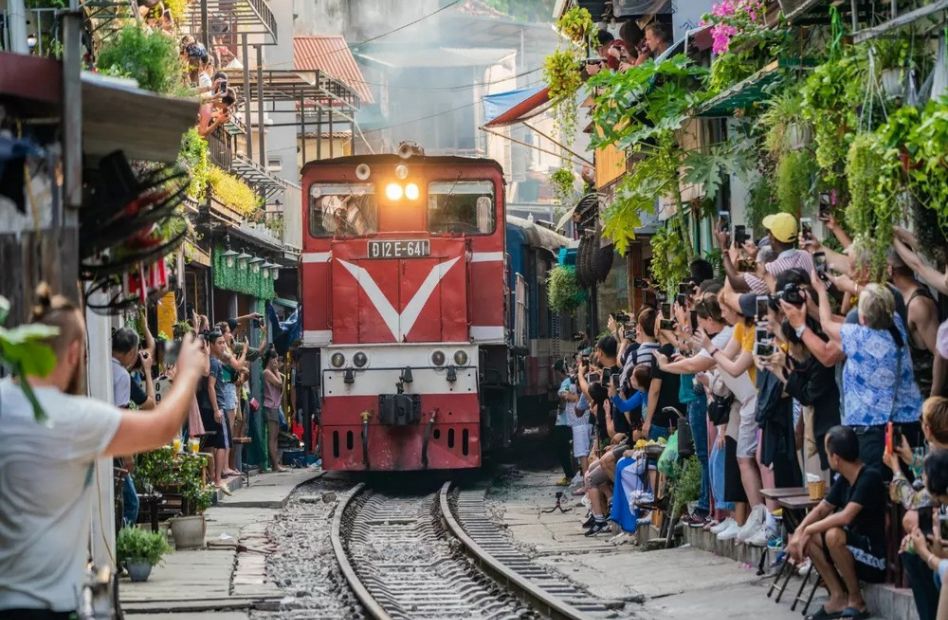
Hanoi, the capital of Vietnam, is a fascinating destination where ancient traditions blend with modern city life. From the historic Old Quarter and peaceful Hoan Kiem Lake to ancient temples, museums, traditional villages, and vibrant street food, Hanoi offers travelers an authentic introduction to Vietnam’s history, culture, and daily life
Hanoi is the main gateway to Northern Vietnam and is well connected to major destinations across the country.
The most convenient options are:
-
By air: Noi Bai International Airport serves domestic and international flights.
-
Airport transfer: Private cars, taxis, and shuttle services provide convenient transfers from the airport to the city center.
-
From other destinations: Hanoi is accessible by flights, trains, buses, and private transfers from destinations such as Ho Chi Minh City, Ha Long Bay, Ninh Binh, and Sapa.
For international travelers, a private airport transfer is a convenient option, especially for families or those arriving late at night.
Explore Hoan Kiem Lake & Ngoc Son Temple
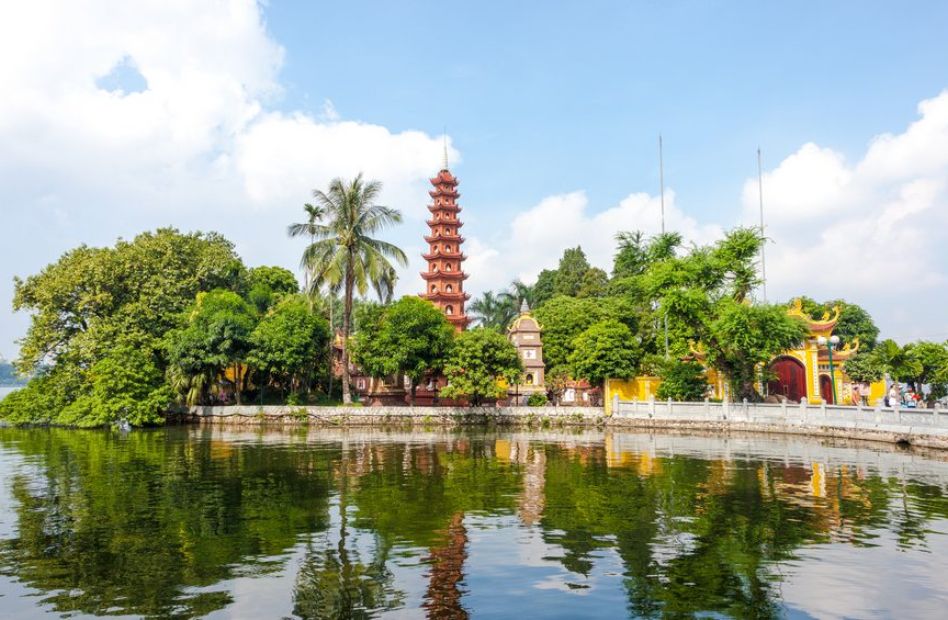
Start your Hanoi experience at Hoan Kiem Lake, one of the city’s most iconic landmarks. Walk around the lake and cross the famous red bridge to Ngoc Son Temple, located on a small island.
Discover Hanoi’s Old Quarter
Walk through the Old Quarter to experience Hanoi’s historic streets, local shops, cafés, restaurants, and vibrant street life. It is also one of the best areas to stay for first-time visitors.
Learn About Vietnam’s History
Visit historic attractions and museums to learn more about Vietnam’s past.
Hoa Lo Prison, often known as the “Hanoi Hilton” by American POWs during the Vietnam War, provides an insight into the country’s wartime history.
Visit the Temple of Literature
Explore the Temple of Literature (Van Mieu), founded in 1070. Its traditional buildings, courtyards, and gardens reflect Vietnam’s long history of education and Confucian culture.
Visit Ho Chi Minh Mausoleum
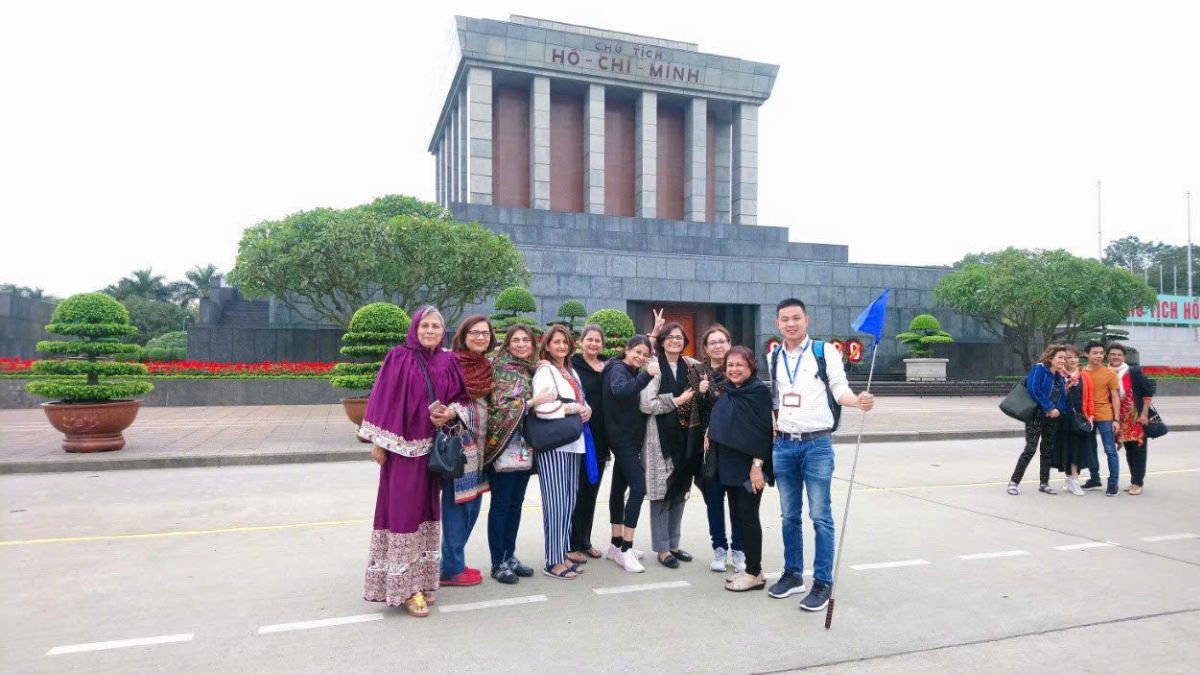
Visit the Ho Chi Minh Mausoleum, an important historical site dedicated to Ho Chi Minh, one of Vietnam’s most influential historical figures.
Visitors should check the opening schedule and dress appropriately when visiting the site.
Admire St. Joseph’s Cathedral
Located near the Old Quarter, St. Joseph’s Cathedral is one of Hanoi’s best-known French colonial landmarks, featuring Gothic architecture and distinctive twin towers.
Discover Traditional Craft Villages
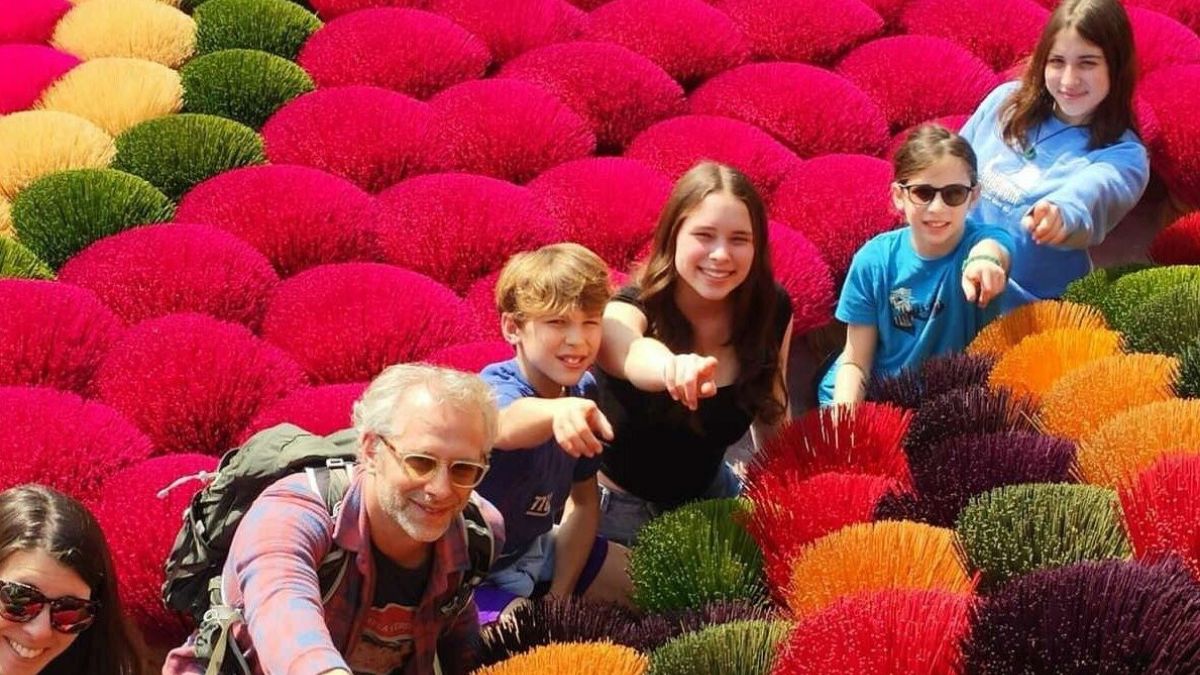
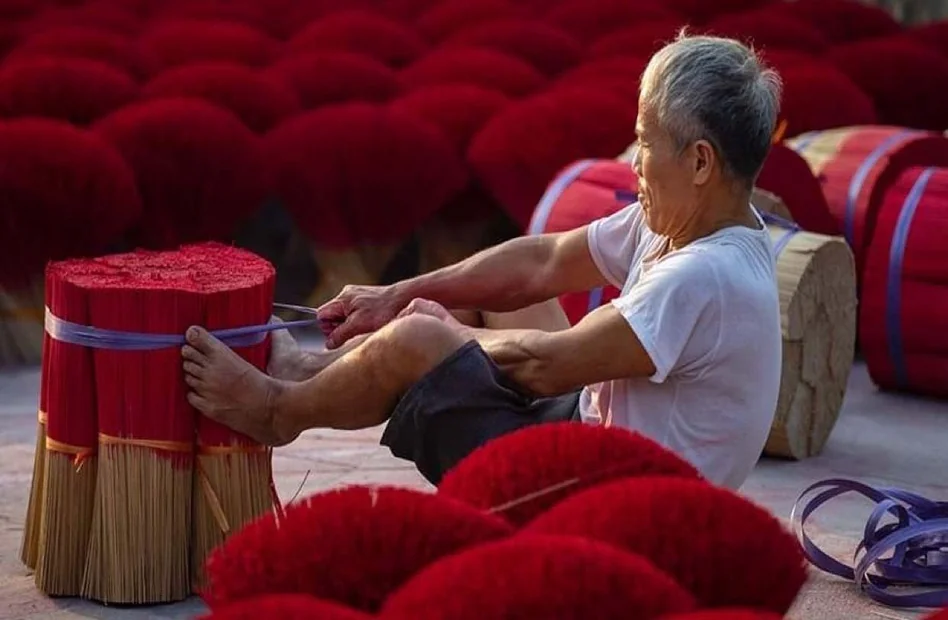
For a different side of Hanoi, take an afternoon trip to nearby traditional craft villages.
Bat Trang Ceramic Village is famous for its pottery and ceramics. Visitors can explore traditional craftsmanship and find products such as bowls, plates, vases, and decorative items.
Van Phuc Silk Village is known for its traditional silk weaving and silk products, including clothing, scarves, ties, and other handicrafts.
Enjoy Hanoi Street Food
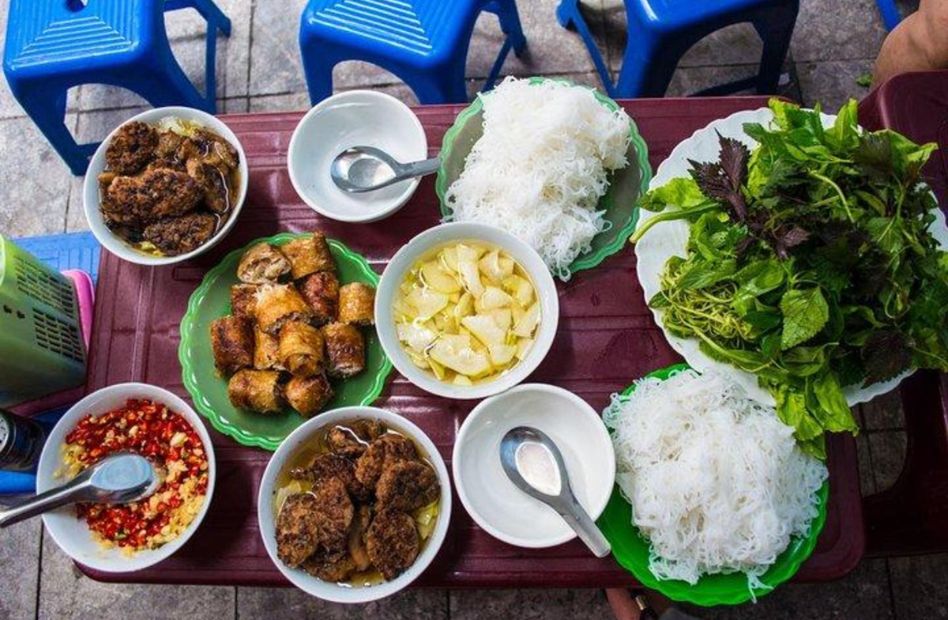
Hanoi is one of the best places in Vietnam to experience local street food.
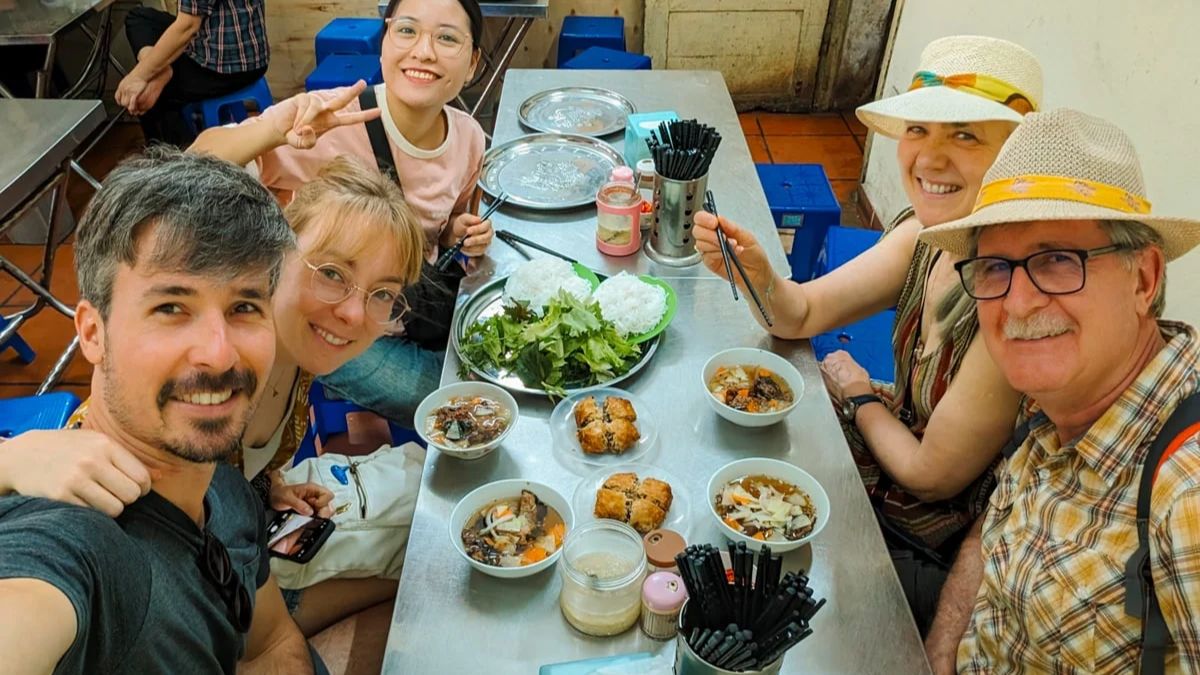
In and around the Old Quarter and Hoan Kiem Lake, visitors can try Vietnamese favorites such as pho, bun cha, banh mi, banh cuon, and other local snacks.
Try Vietnamese Coffee
Don’t leave Hanoi without trying Vietnamese coffee. Explore the city’s many cafés and try different styles of hot and iced coffee, including the distinctive local coffee culture found throughout Hanoi.
For first-time visitors, 2–3 days is a good amount of time to experience Hanoi’s main attractions, food, and local atmosphere.
2 days: Focus on the Old Quarter, Hoan Kiem Lake, major historical sites, and local food.
3 days: Add traditional craft villages or enjoy Hanoi at a more relaxed pace.
If Hanoi is part of a longer Northern Vietnam itinerary, you can also use it as a base for day trips to destinations such as Ha Long Bay, Ninh Binh, or other nearby attractions.
- Stay around the Old Quarter or Hoan Kiem if it is your first visit and you want easy access to major attractions.
- Wear comfortable shoes, as walking is one of the best ways to explore Hanoi.
- Try local food at busy, well-established places, especially if you are unfamiliar with Vietnamese street food.
- Carry some Vietnamese cash for small restaurants, street food, cafés, and local shops.
- Dress appropriately when visiting temples, pagodas, and the Ho Chi Minh Mausoleum.
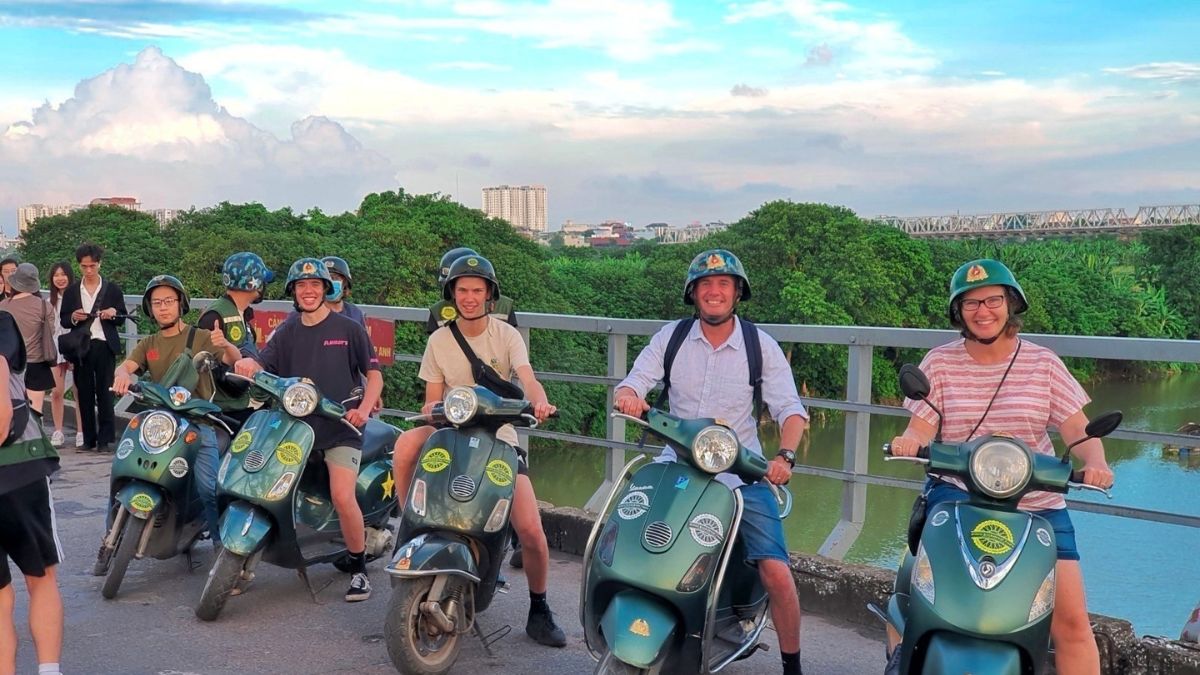
- Allow extra time for traffic, especially during morning and evening rush hours.
- If you plan to visit Bat Trang or Van Phuc, consider arranging a private transfer or tour for a more convenient experience.
Hanoi is a captivating destination that perfectly combines rich history, cultural heritage, and modern city life. From ancient temples and charming streets to delicious local cuisine and peaceful lakes, Hanoi offers unforgettable experiences that showcase the timeless beauty and spirit of Vietnam.