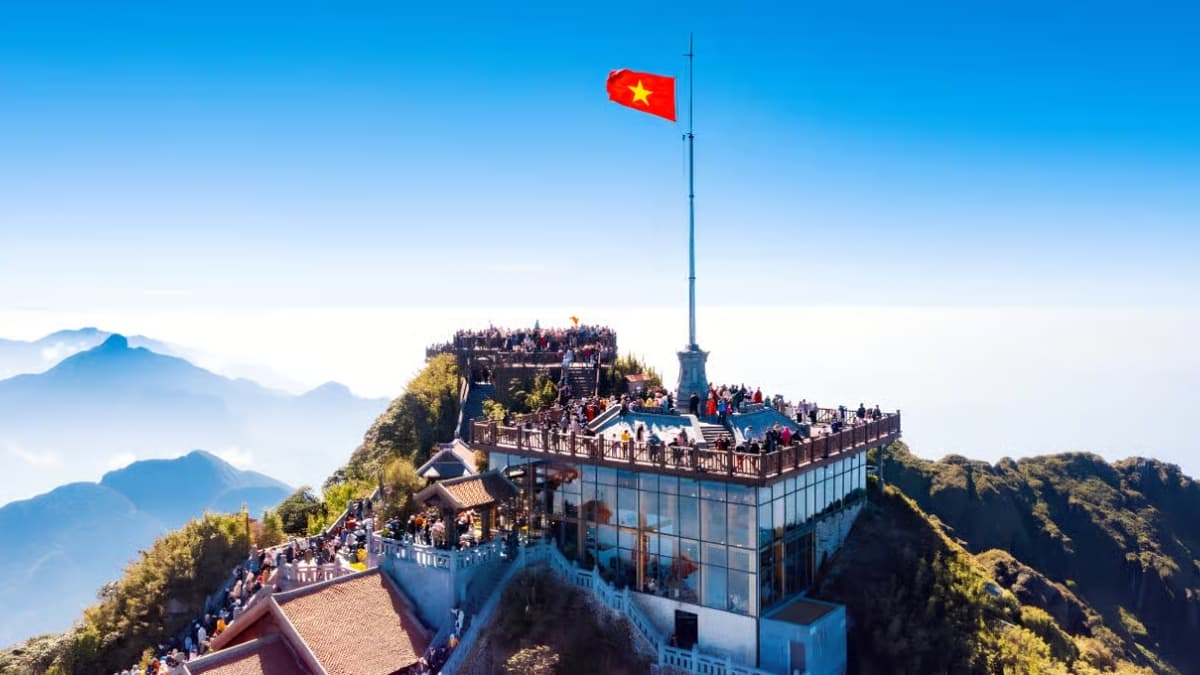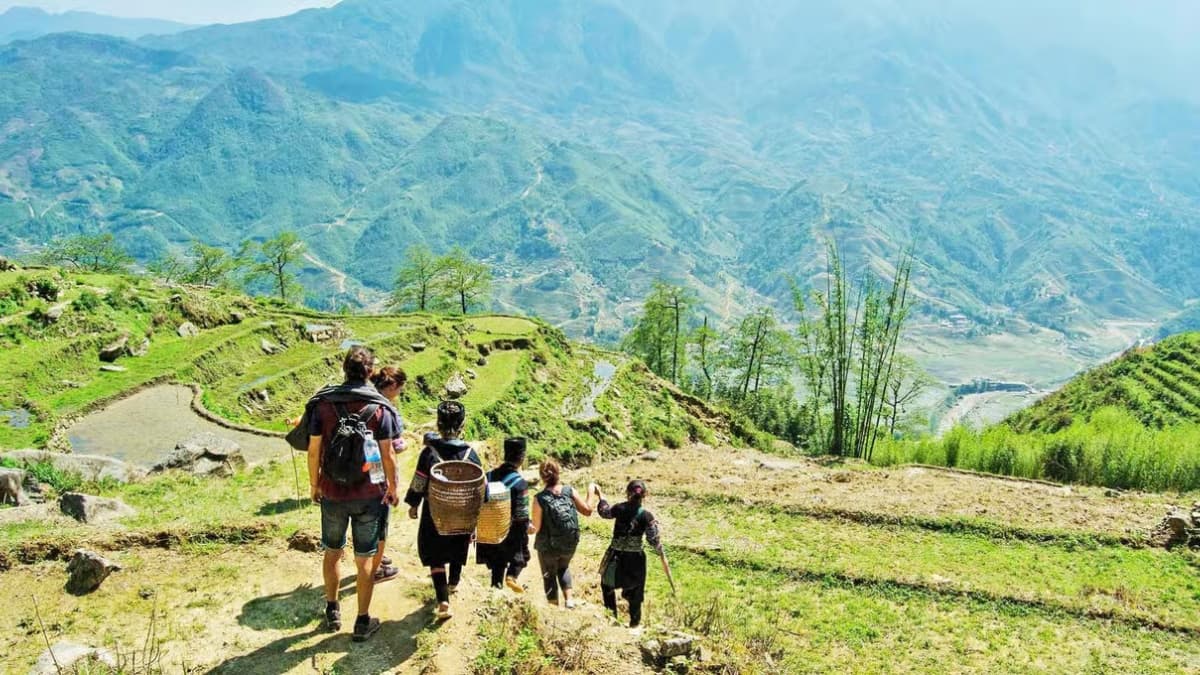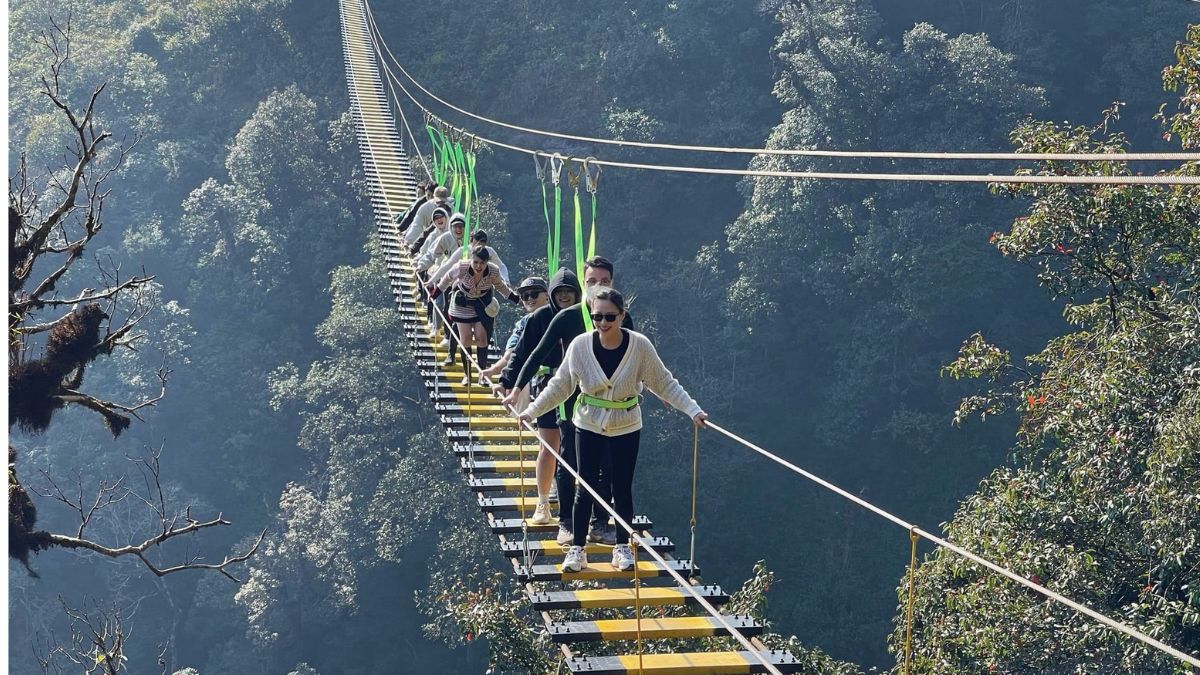
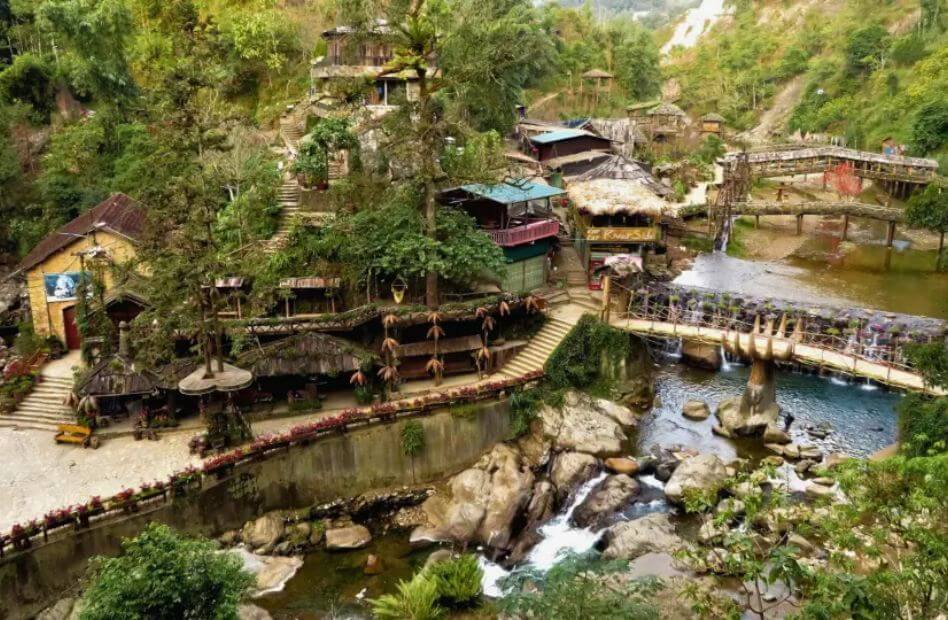
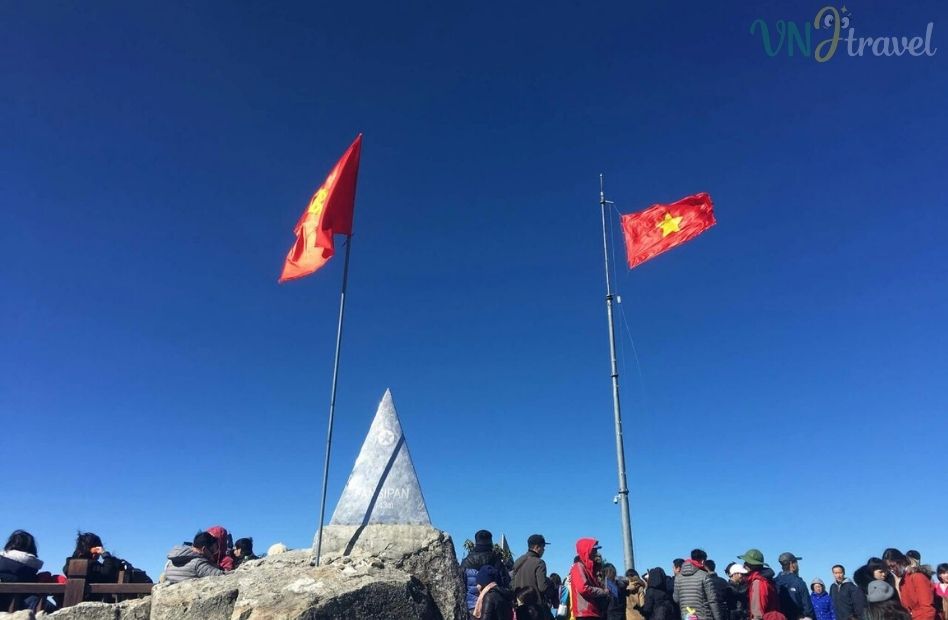


Sapa: Nature's grandeur meets rich cultural heritage, offering a captivating experience for every traveler
Located in the Hoang Lien Son mountains of Northern Vietnam, Sapa is famous for its dramatic mountain landscapes, terraced rice fields, cool climate, and rich ethnic culture.
The area is home to several ethnic minority communities, including the Hmong and Giay people, whose traditional villages, customs, clothing, and daily life are an important part of the Sapa experience.
For travelers who enjoy trekking, nature, mountain scenery, and cultural experiences, Sapa is one of the most rewarding destinations in Northern Vietnam.
Sapa does not have its own airport, so most international travelers reach the town via Hanoi.
By Plane
The nearest international airport is Noi Bai International Airport in Hanoi. From Hanoi, you can continue to Sapa by private car or shuttle bus. The journey takes around 5–6 hours.
By Train
There is no direct train to Sapa. You can take a train from Hanoi to Lao Cai, the nearest railway town, and then continue to Sapa by shuttle bus or taxi.
The train journey takes around 8 hours, while the transfer from Lao Cai to Sapa takes about 1 hour.
By Bus
Direct buses from Hanoi to Sapa are an affordable and convenient option. The journey usually takes around 6–7 hours, depending on traffic and road conditions.
For families or travelers who value comfort and flexibility, a private transfer from Hanoi to Sapa is another convenient choice.
For first-time visitors, 2–3 days is a good amount of time to experience Sapa.
2 days: Suitable for visiting the main attractions, exploring a local village, and enjoying the mountain scenery.
3 days: Better for travelers who want to combine trekking, Fansipan, local villages, and scenic attractions at a more relaxed pace.
If you are traveling from Hanoi, Sapa also works well as part of a longer Northern Vietnam itinerary combining Hanoi, Ninh Binh, Ha Long Bay, and Sapa.
Sapa offers accommodation for different travel styles and budgets.
Sapa Town is a convenient choice for travelers who want easy access to restaurants, cafés, shops, and transportation.
For a more authentic experience, consider staying in or near villages such as Cat Cat, Lao Chai, or Ta Van. Homestays allow you to experience the peaceful mountain environment and get closer to local communities.
Travelers looking for more comfort can also choose from higher-end hotels and resorts around Sapa.
- Choose the right season: Spring and autumn are generally considered good times for trekking and enjoying the mountain scenery.
- Prepare for changing weather: Sapa’s mountain weather can change quickly, so bring layers and a light rain jacket.
- Wear comfortable shoes: Good walking or trekking shoes are essential, especially if you plan to visit villages.
- Allow enough time: Avoid trying to visit too many attractions in one day. Sapa is best enjoyed at a relaxed pace.
- Bring cash: Some smaller villages and local shops may not accept cards.
- Respect local culture: Ask before photographing people, homes, or traditional ceremonies.
- Book transport in advance: If traveling between Hanoi and Sapa, booking your bus, train, or private transfer ahead of time is recommended, particularly during peak periods.
Sapa is a perfect destination for travelers who love nature, culture, and adventure. With its stunning mountain landscapes, beautiful rice terraces, and unique ethnic traditions, Sapa offers an unforgettable experience that captures the charm of northern Vietnam.